


TMJ Treatment in Baltimore
Say Farewell to Your Chronic Jaw Pain
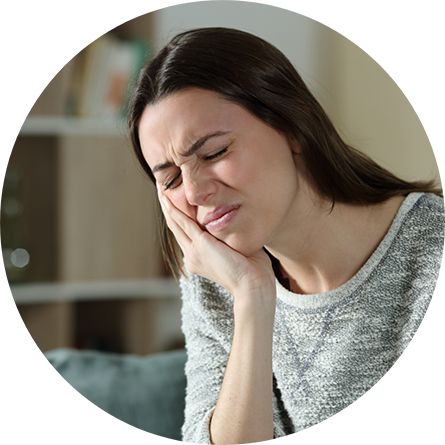
Do you wake up with a sore jaw, catch yourself clenching during stressful moments, or have been told you grind your teeth at night? TMJ problems can disrupt your sleep, make eating uncomfortable, and create a cycle of pain and stress that impacts your overall well-being and quality of life.
You don’t have to settle for living like this. Drs. Chen & Kim offer individualized TMJ treatment in Baltimore to break the cycle and help you find lasting relief. To get started, just contact us today.
Why Choose Drs. Chen & Kim for TMJ Treatment?
- Dedicated Dentists with Years of Experience
- Comprehensive TMJ Care Under One Roof
- Flexible Financing Options Available
Understanding TMJ Disorder
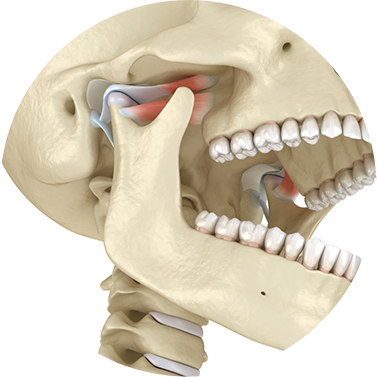
The acronym, TMJ, refers to the temporomandibular joints. These complex joints connect your lower jaw to your skull and work with muscles, ligaments, and cartilage, allowing you to speak, chew, yawn, and swallow smoothly.
When the TMJs become damaged, inflamed, or don't function properly, the condition is called temporomandibular joint disorder (TMD). This dysfunction can be the result of injury, arthritis, teeth grinding and clenching, or stress. The joints may become misaligned, the cartilage may wear down, or the surrounding muscles may become overworked and painful.
The Life-Changing Benefits of TMJ Treatment

If you live with the pain and disruption of TMD, you'll appreciate how treatment can transform your days and nights.
Pain Relief

Effective TMJ treatment addresses the causes of jaw pain, facial discomfort, and headaches, providing significant relief from daily discomfort that may have been affecting you for months or years.
Reduced Tooth Wear
By correcting jaw function and eliminating harmful habits like teeth grinding, TMJ treatment protects your teeth from excessive wear and prevents further damage to your jaw joints.
Quality of Life

When jaw pain no longer limits what you can eat, disrupts your sleep, or causes constant tension headaches, you can return to enjoying daily activities without discomfort.
Do I Have TMJ Disorder?
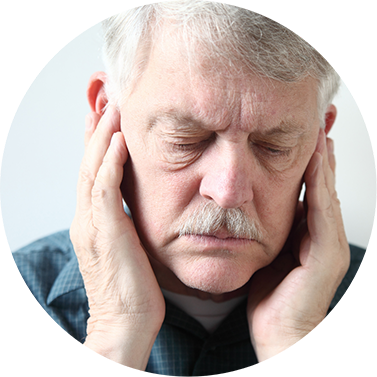
The only way to accurately diagnose TMD is through a thorough consultation with experienced TMD dentists like Drs. Chen & Kim. You may recognize concerning symptoms, but professional evaluation is essential for proper diagnosis and treatment planning.
Common signs that could suggest TMD include:
- Jaw pain or tenderness, especially when chewing or speaking
- Clicking, popping, or grinding sounds when opening the mouth
- Difficulty opening your mouth fully or jaw locking
- Frequent headaches, particularly in the morning
- Earaches or a feeling of fullness in your ears
- Facial pain or fatigue in the jaw muscles
- Neck and shoulder pain or stiffness
- Worn, chipped, or sensitive teeth from grinding
Professional TMJ Evaluations
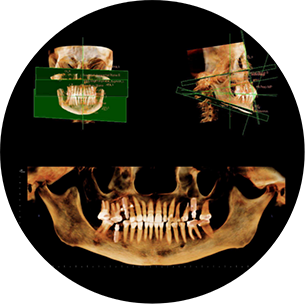
During your TMD evaluation, Drs. Chen & Kim will first examine your mouth to look for signs of worn teeth, indicating possible TMJ issues. They will examine the function of your TMJs and bite, and take 3-D scans to understand what's happening with the joints.
Every patient's TMD is unique, so we will carefully tailor your treatment plan to address specific causes and symptoms, ensuring the most effective relief possible.
TMD Treatment Options
Effective TMD treatment starts with an accurate diagnosis. During your evaluation, Drs. Chen & Kim examine your jaw joints, assess your bite, take digital scans, and discuss your symptoms and medical history.
We then tailor your TMJ treatment near Charles Village to your specific needs, which may include:
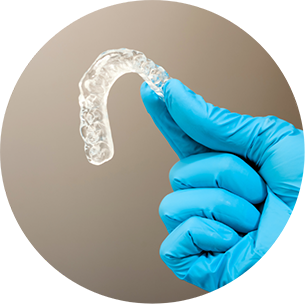
- Occlusal Guards — Custom-fitted nightguards protect teeth from grinding damage and allow the TMJs time to rest and recover.
- Bite Adjustment — Restoring a worn or damaged tooth balances your dental bite and reduces strain on jaw joints and muscles.
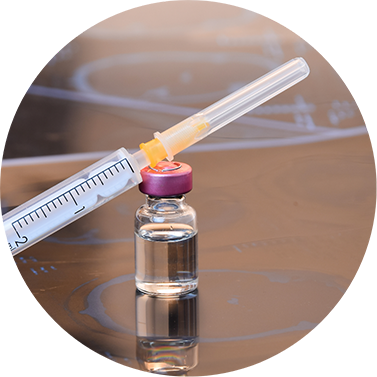
- BOTOX® Therapy — Strategic injections can relax overactive jaw muscles, provide relief from tension, and reduce the intensity of teeth grinding and clenching.
- Physical Therapy — Specific exercises can help strengthen jaw muscles, improve range of motion, and reduce jaw tension.
- Lifestyle Modifications — Learning stress management techniques like yoga or meditation can significantly improve treatment outcomes.